

CNC Rotary Disc Multi-Station Polishing Machine
Description
Precision, Efficiency, and Consistency for Premium Cookware Manufacturing.
Engineered specifically for the cookware industry, this CNC polishing machine automates the finishing process for outer bodies, bottoms, and edges. Achieve flawless finishes while reducing labor costs.
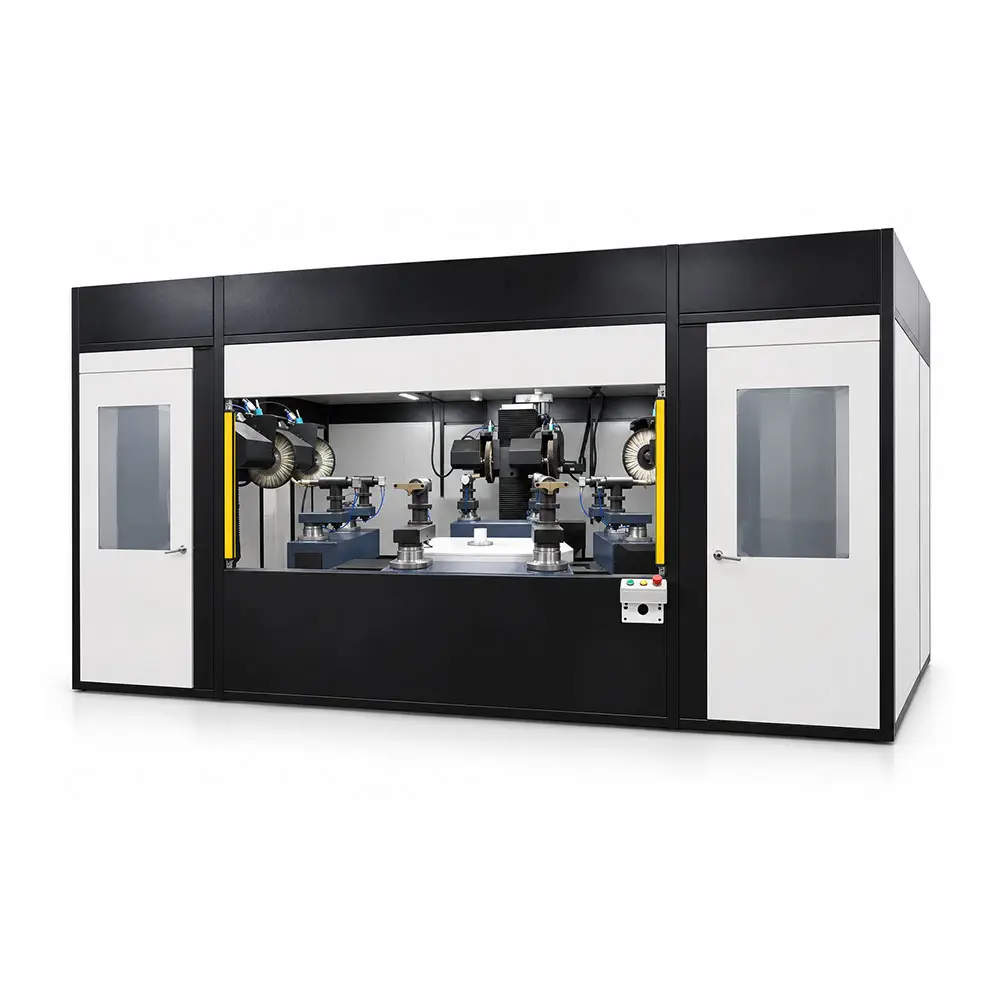
Three Bottlenecks Every Polishing Shop Knows
Conventional polishing equipment and manual finishing lines hit the same walls — this machine was engineered to remove them.
01
Insufficient Capacity
- Conventional machines are too slow for mass-production demand
- Detail areas still rely on manual work — slow and inconsistent in quality
- Every loading/unloading cycle idles the whole machine
02
High-Mix, Low-Volume Orders
- Small batch per SKU, but many SKUs in production
- Long changeover and complex re-adjustment on legacy equipment
- Multi-variety production drags machine utilization down
03
Upstream Sanding Bottleneck
- Belt-sanding takt is slow and yield is low
- High-grit belt requirements (#800/#600) drive consumable cost up
- Every extra sanding step compounds cycle time and scrap risk
Four Capabilities That Change the Economics of Polishing
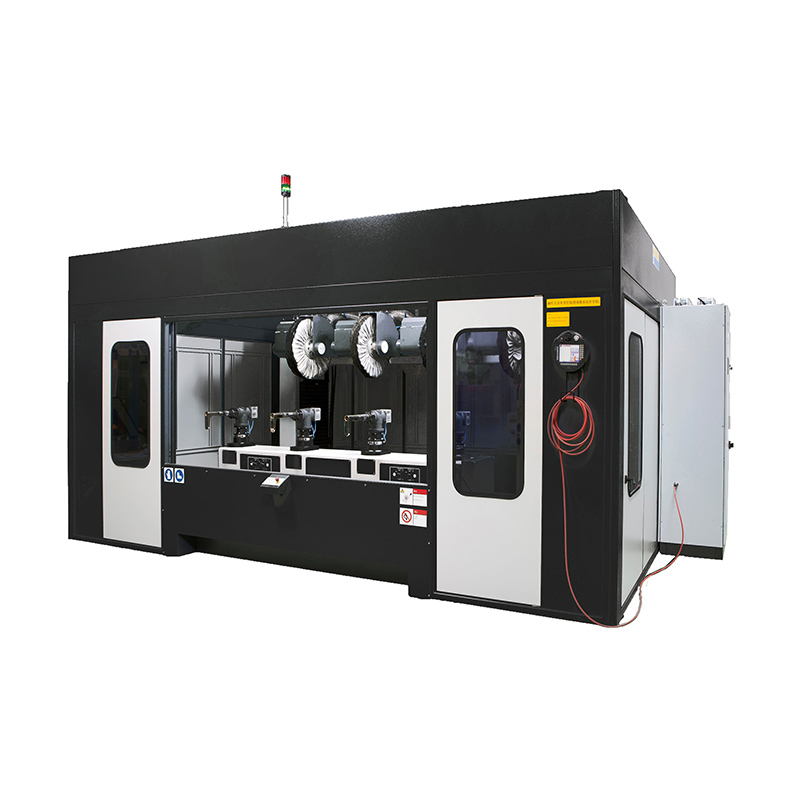
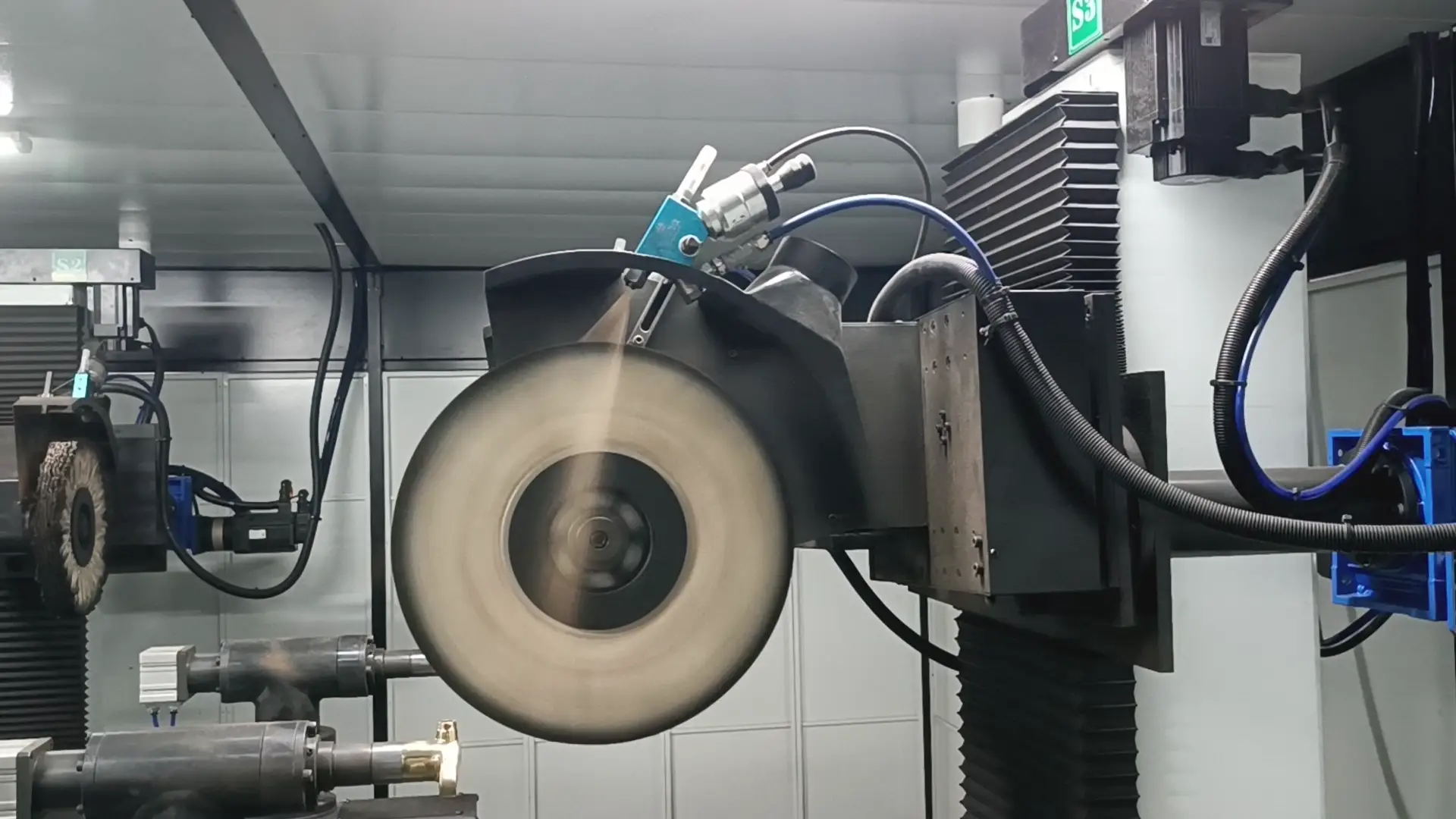
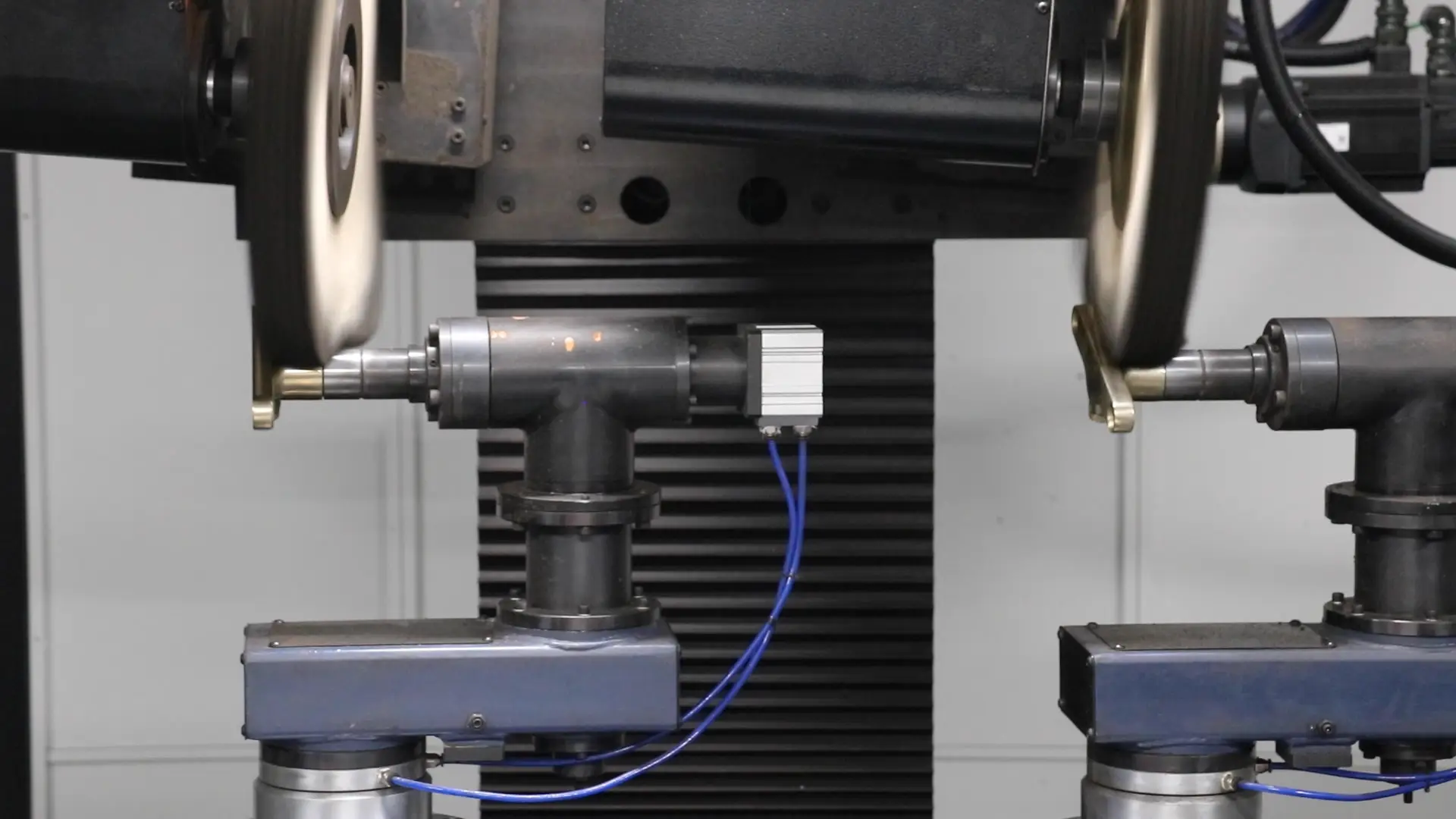
A combination of CNC-controlled movement, multi-process polishing and automated auxiliary functions for cookware surface finishing.
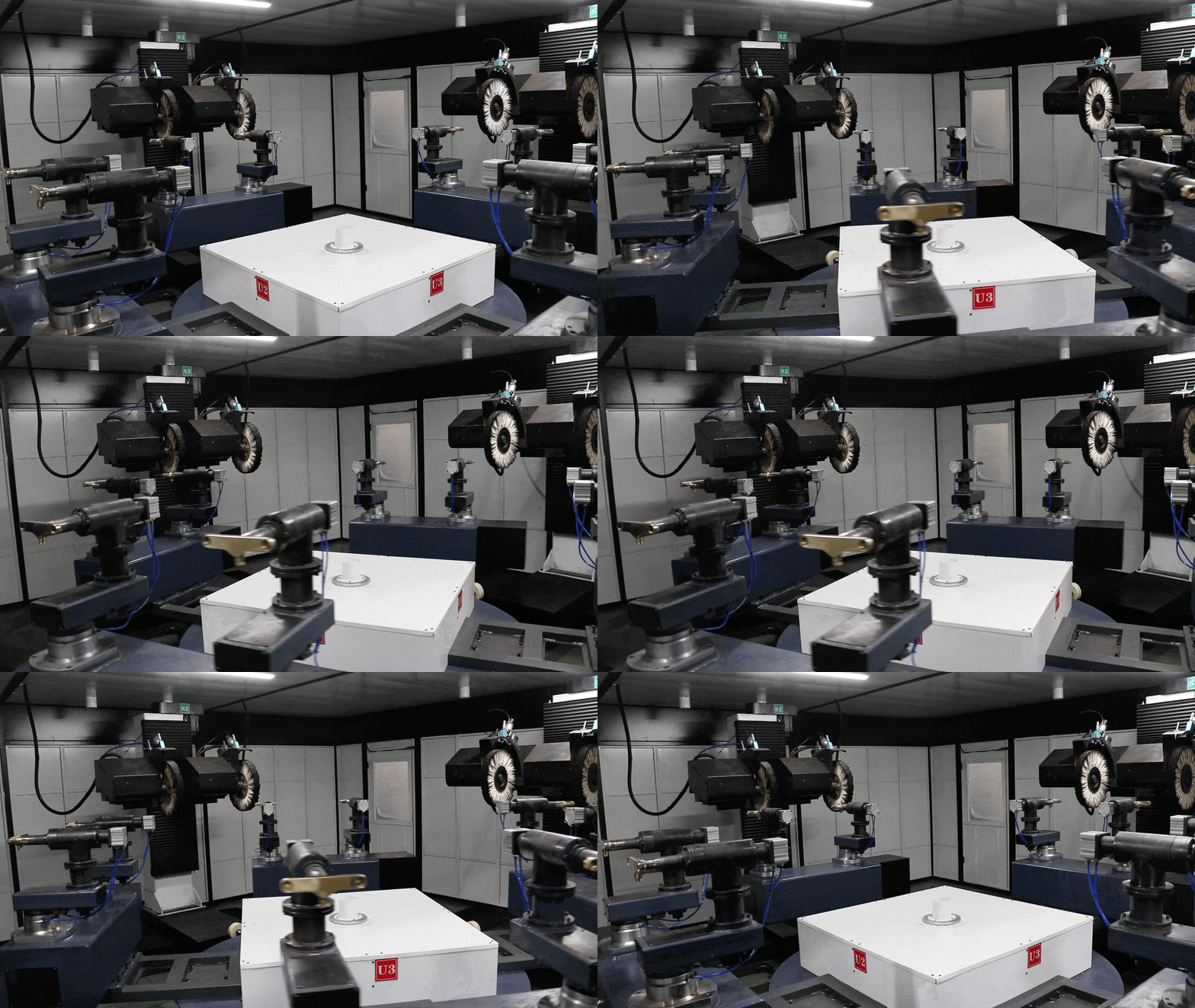
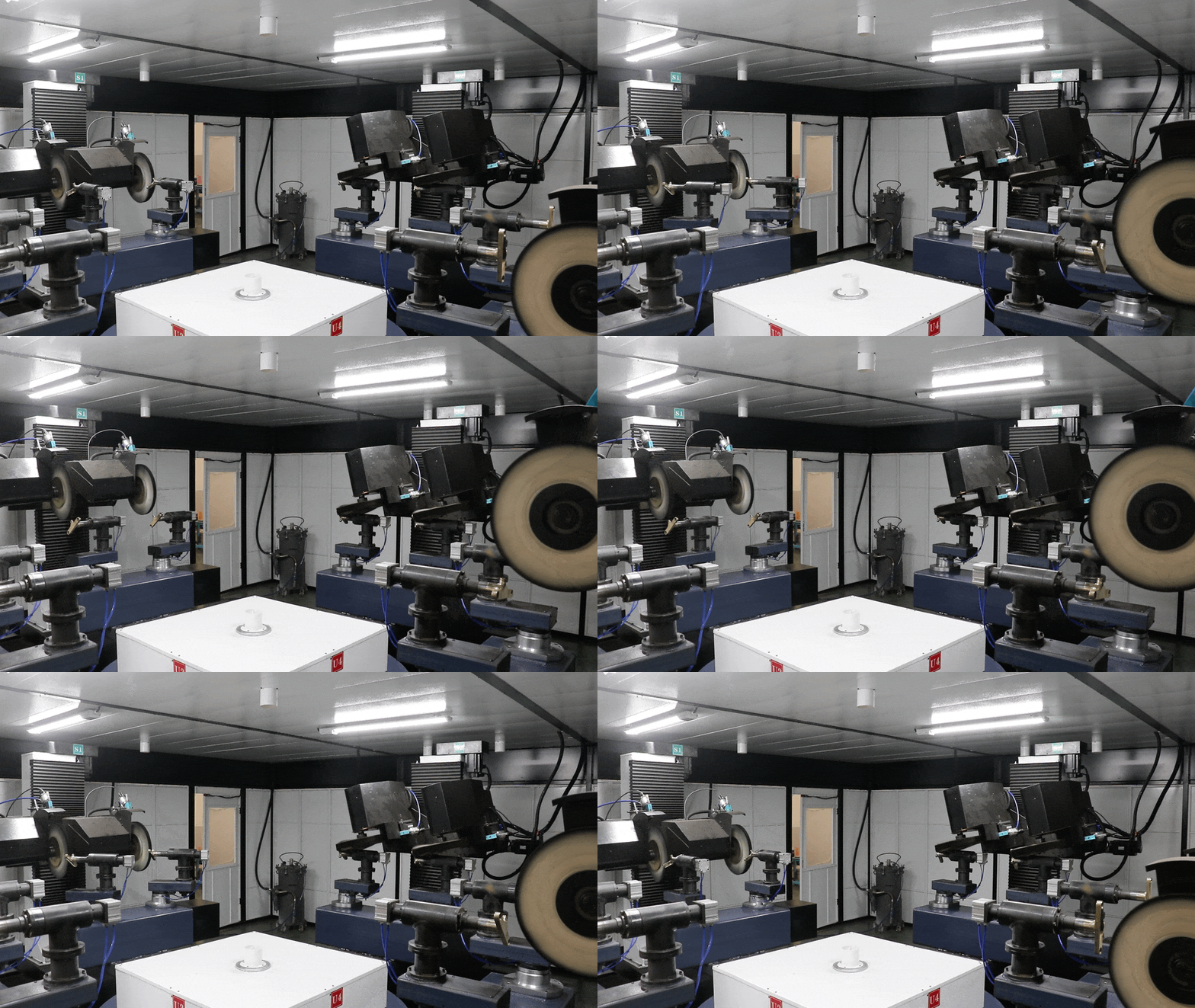
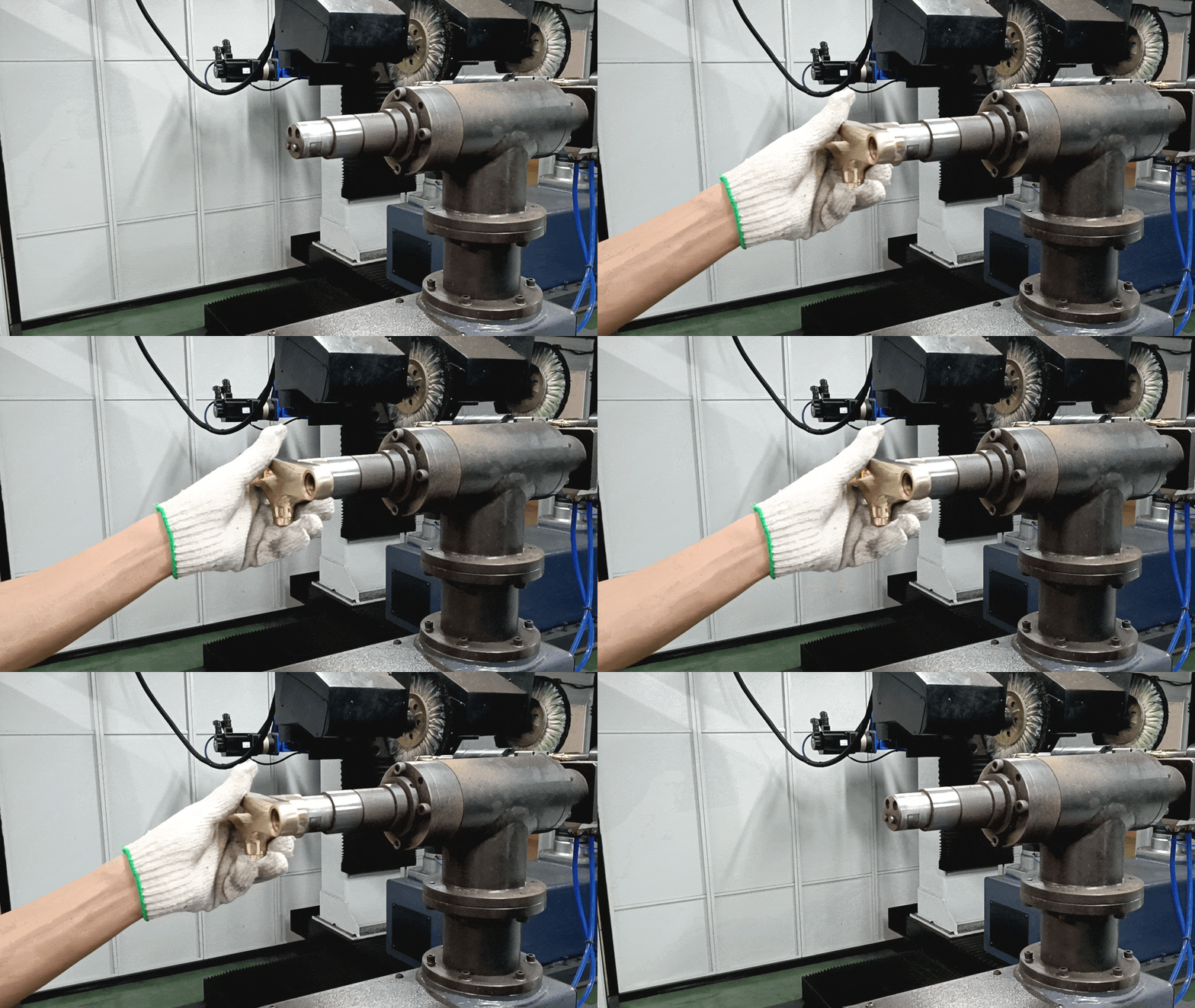
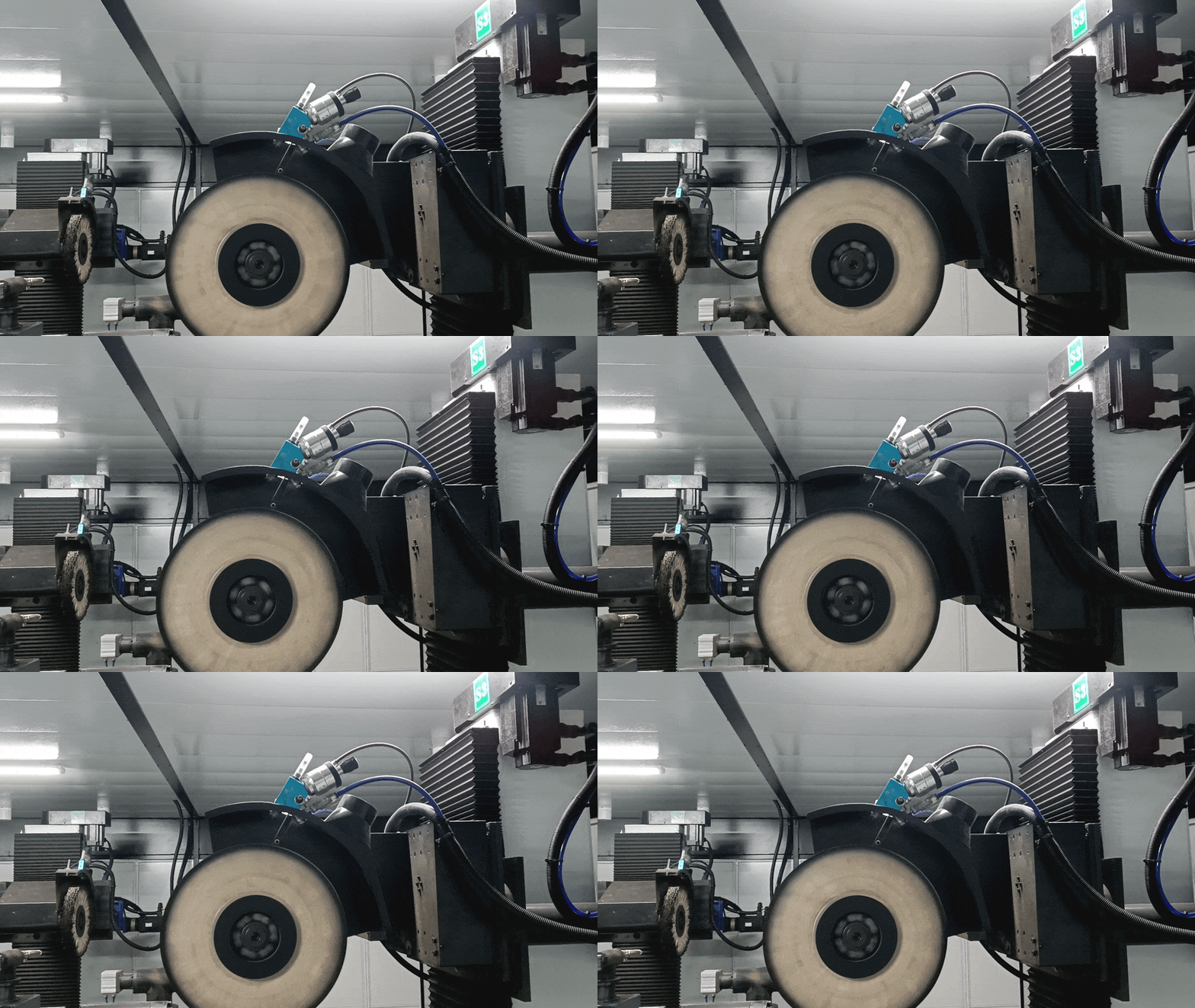
Benchmarked Against a Conventional NC46-Class CNC Polisher
Cycle-time comparison on a TOTO sanitary-fitting product. The rotary multi-station architecture cuts per-part time from minutes to seconds.
| Metric | Conventional NC46 | Makeraze Rotary Disc Multi-Station | Gain |
|---|---|---|---|
| Per-part polishing time | 175 s (excl. loading/unloading) | 50 s (incl. loading/unloading) | 3.5× faster |
| Production takt | 316 s (5 min 16 s) + 96 s manual handling | 96 s (1 min 36 s) + 4 s table index | Significantly shortened |
| Loading / unloading | Machine must stop | No extra time — zero waiting | Idle time eliminated |
Comparison based on a TOTO product case study. Contact us for the detailed cycle-time breakdown and a test run on your own parts.
It Also Fixes Your Upstream Sanding Line
Because each station can be configured with different polishing wheels and compounds, the machine takes over work that used to demand fine belt-sanding.
- Pre-polish sanding requirement drops from #800 / #600 grit to #600 — or even #400
- Every sanding step removed improves sanding takt and yield by roughly 20%
- Shorter non-value-added motion — higher overall line efficiency
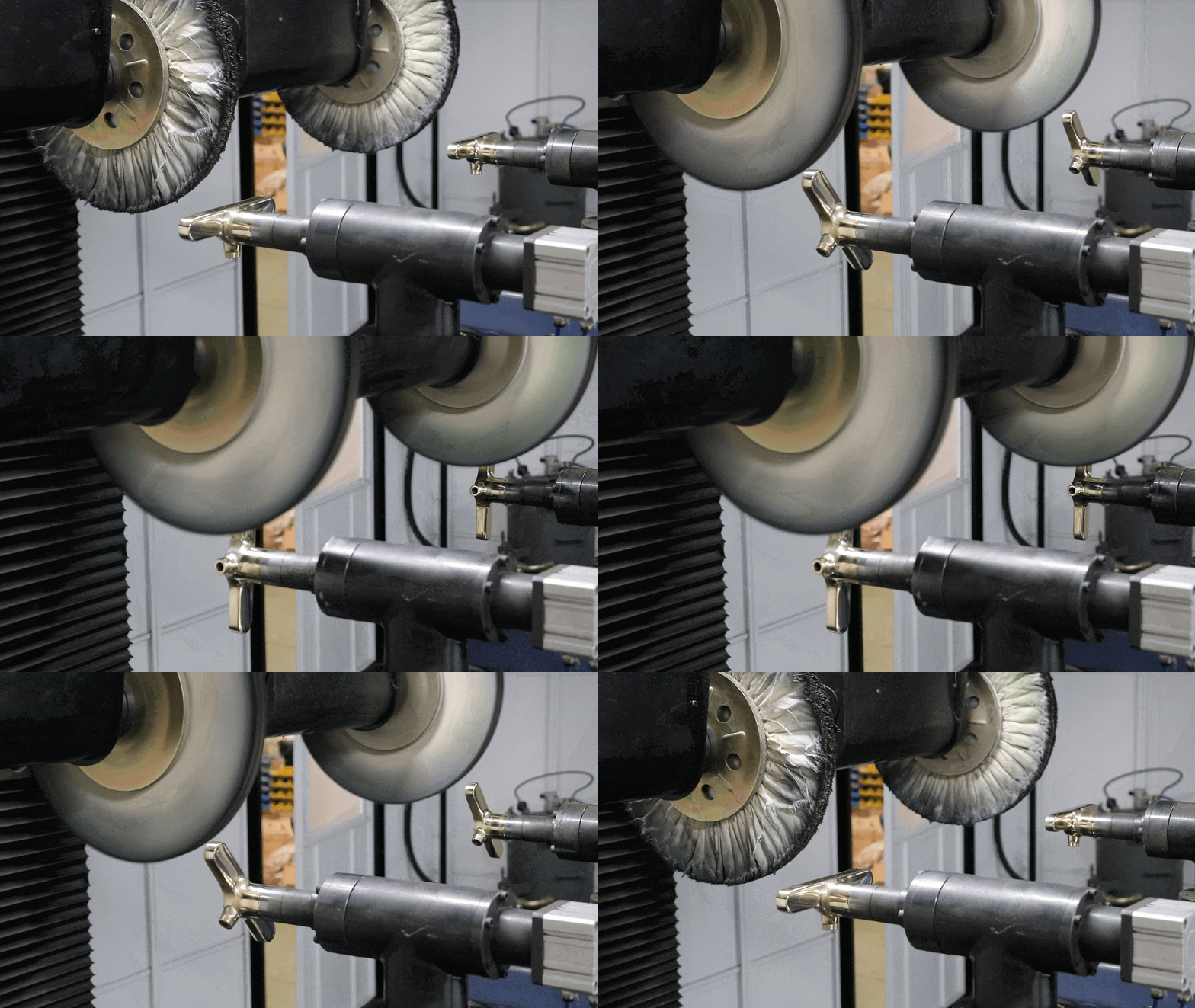
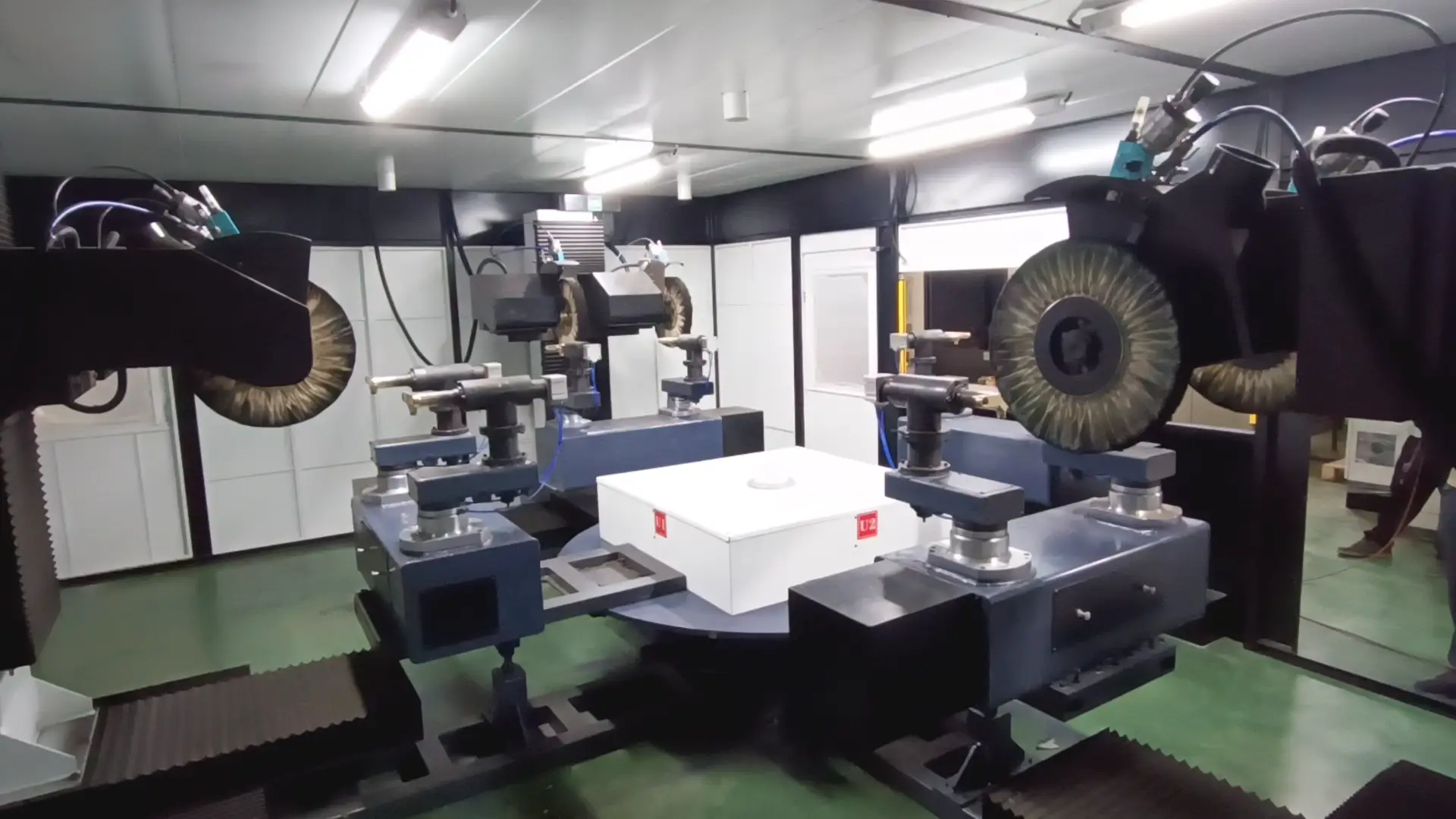
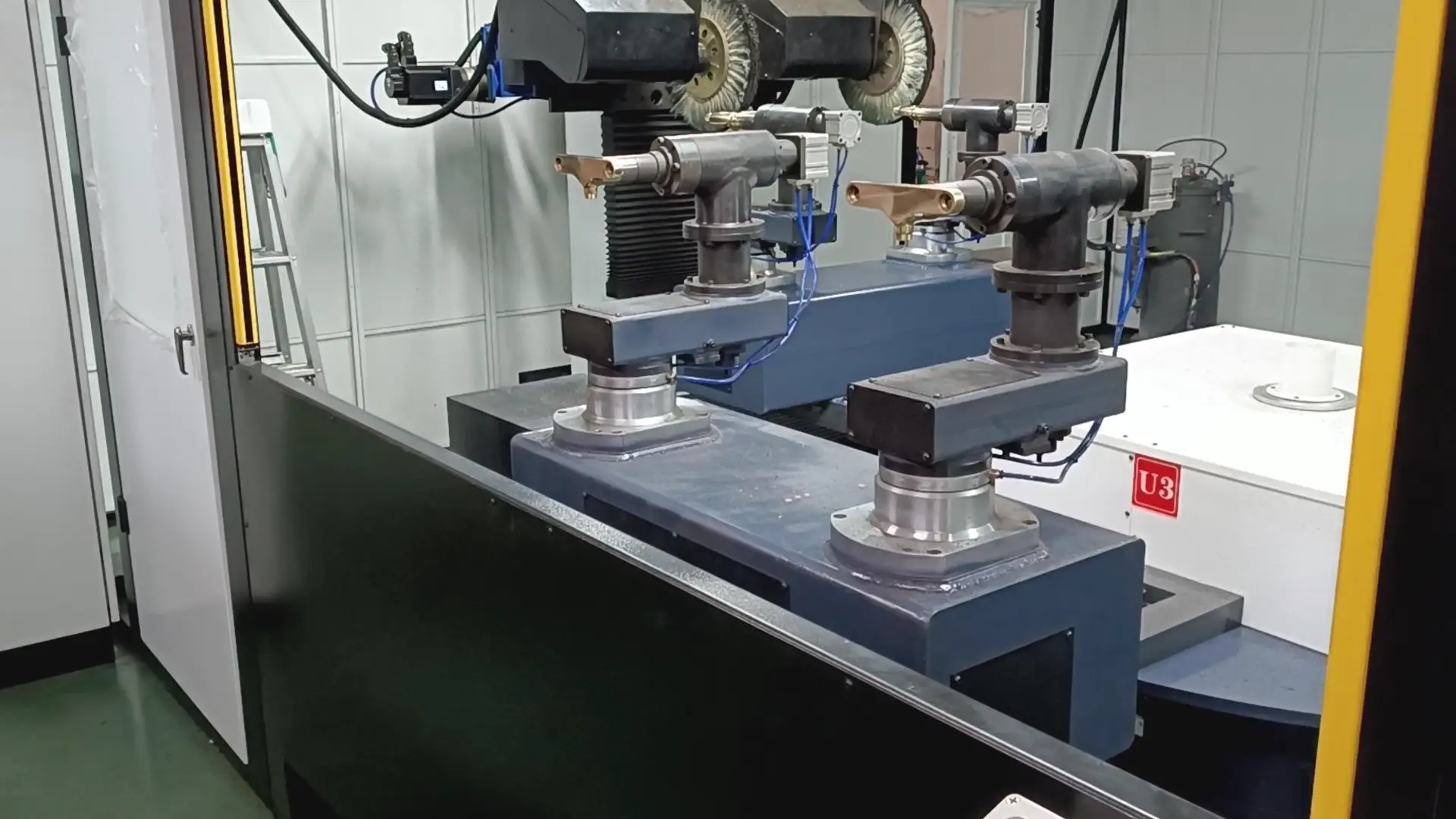
The Rotary Multi-Station Concept
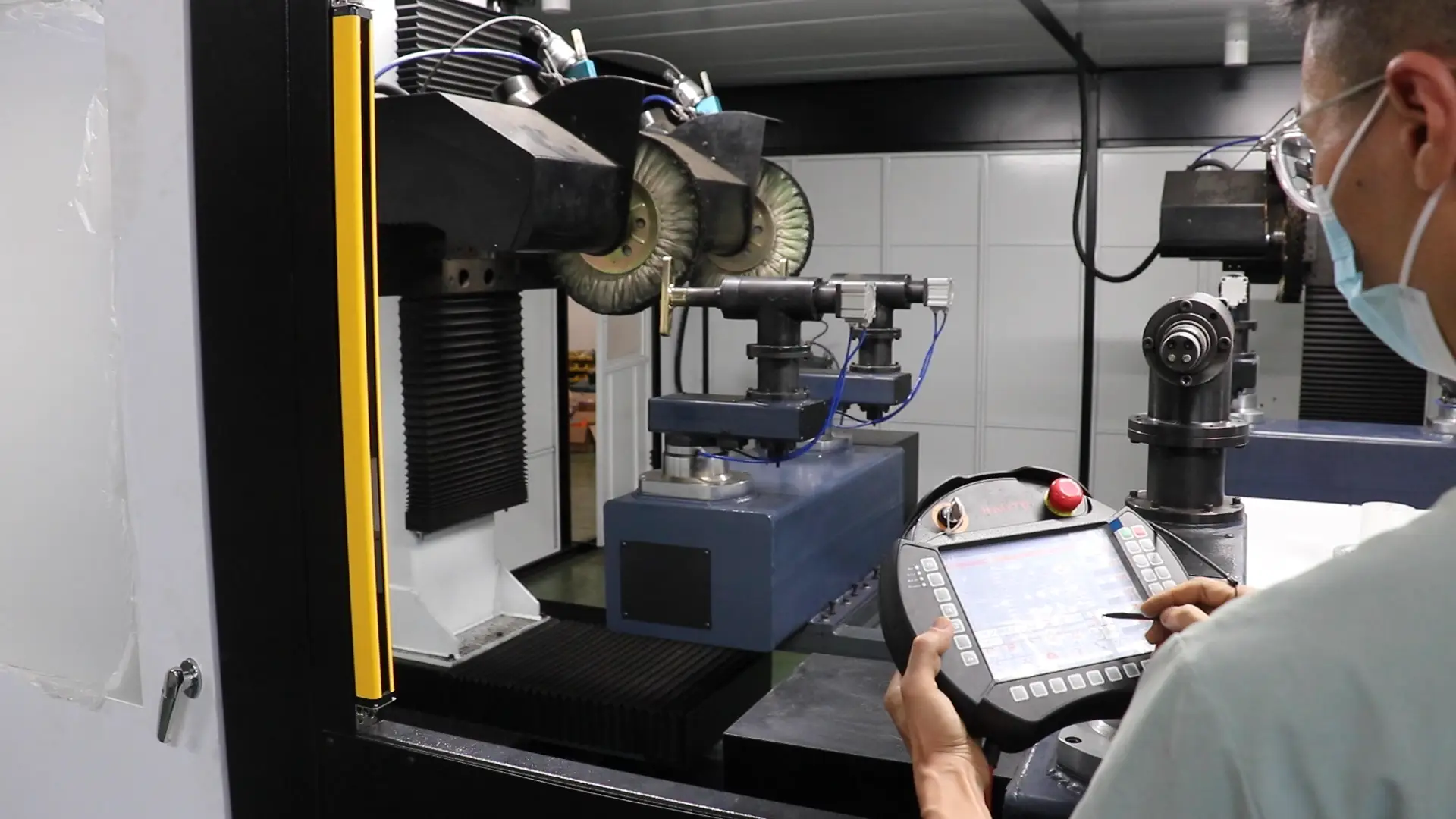
A rotary disc indexes workpieces through independent stations. One station is reserved for loading/unloading — the rest keep polishing, every second of the shift.
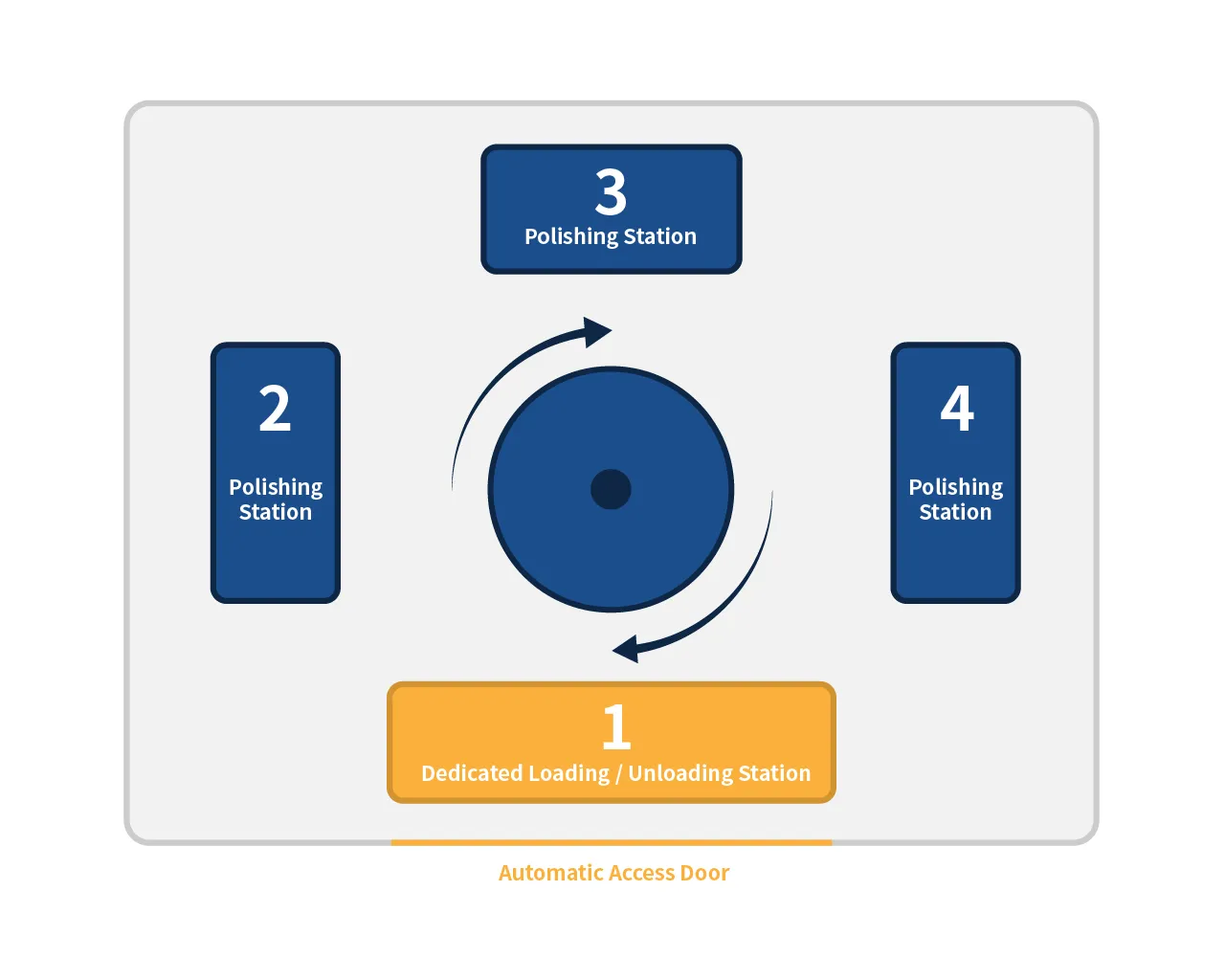
Station layout shown is conceptual. Final station count, disc diameter and stroke are customized to your product.
Efficiency Gains That Compound
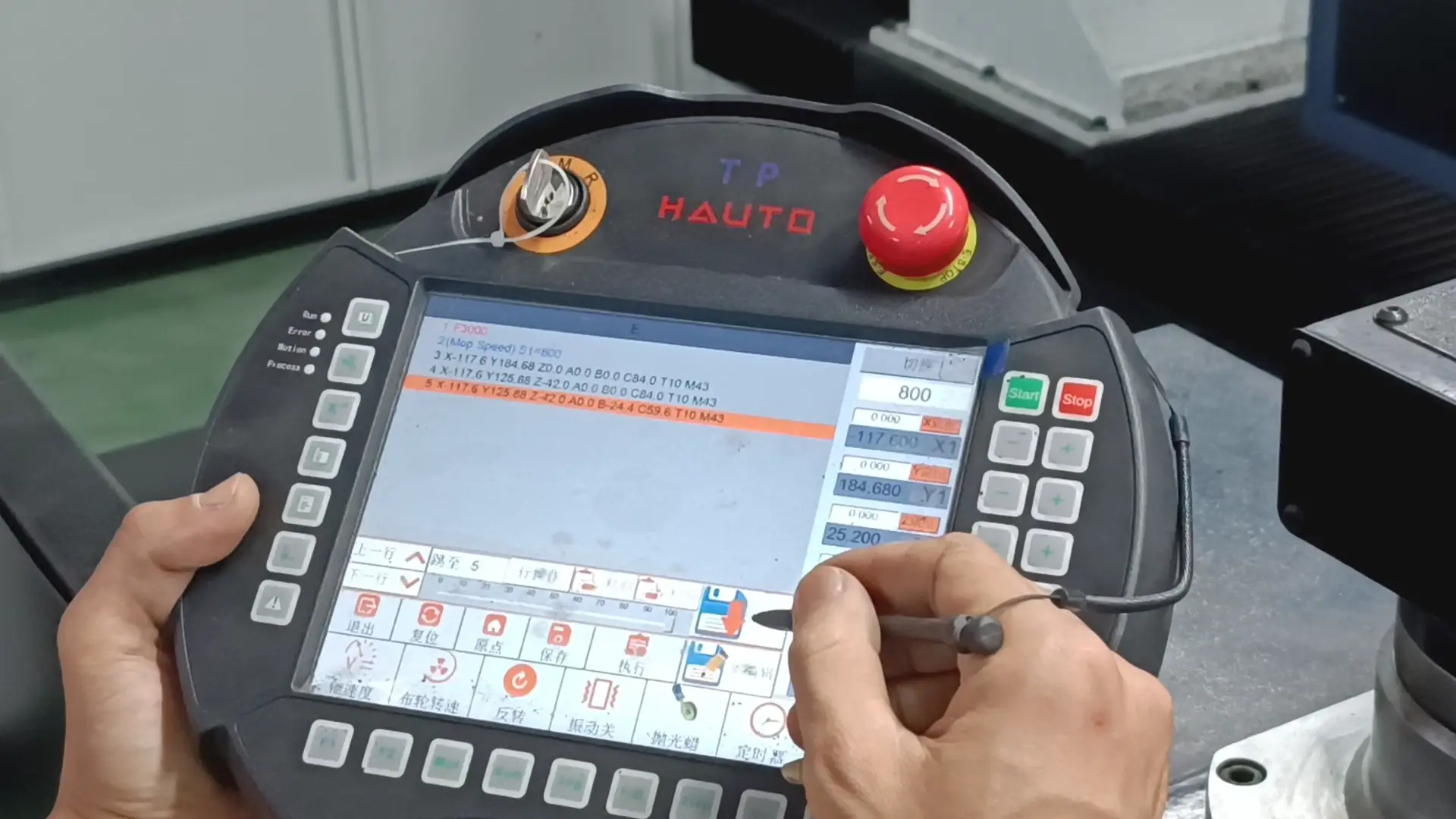
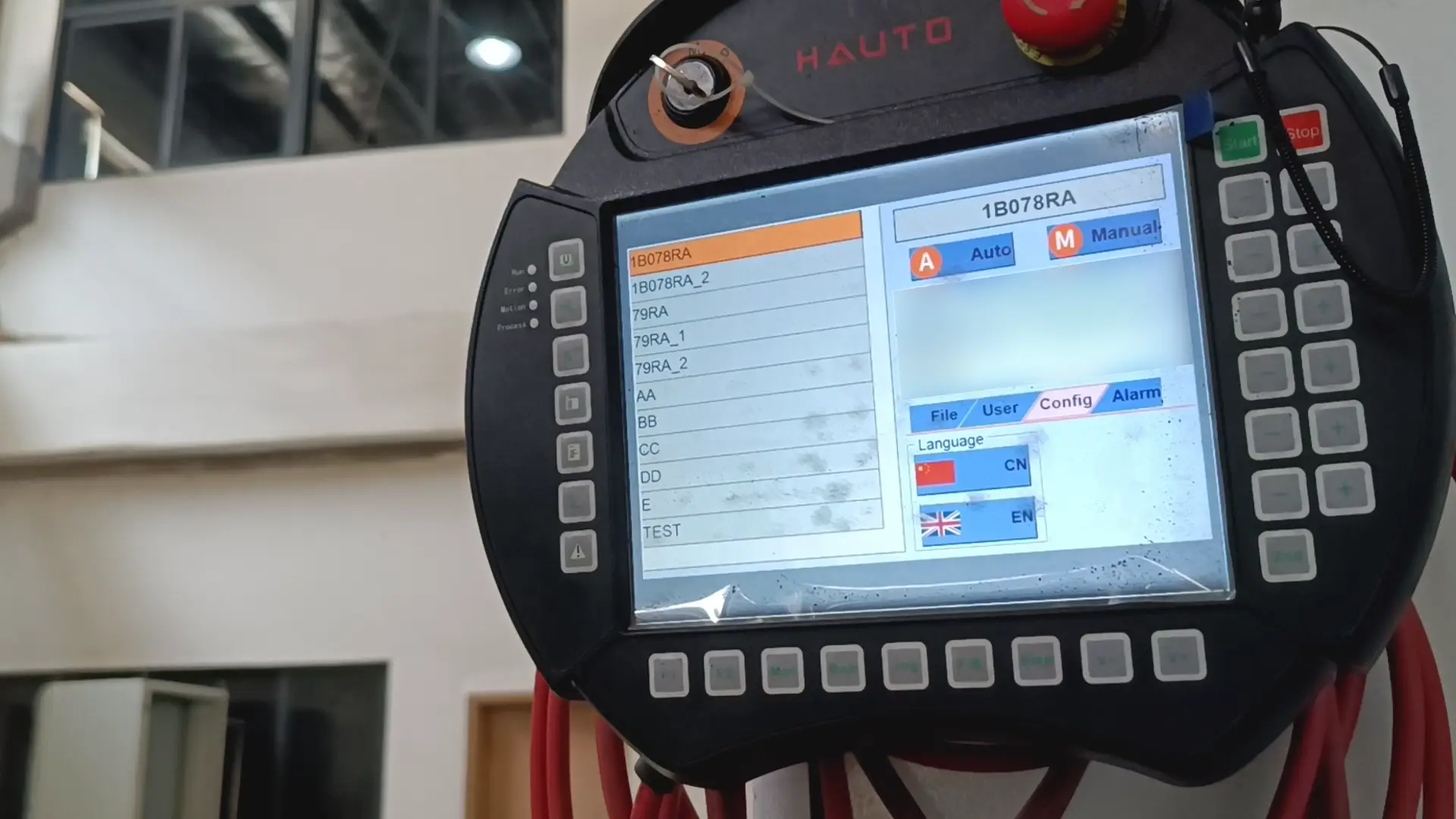
CAD/CAM Programming — Built to Replace Robot Grinding
Industries & Ideal Customers

Sanitary Fittings

Architectural Hardware

Kitchenware

Other Surface Finishing
This machine fits you if…
High daily output of a single part number
High-mix, small-batch production
Capacity up, labor cost down
Demanding quality-consistency requirements
Industries & Ideal Customers
Built Around Your Product
- Machine dimensions are engineered per customer product
- Turntable diameter and stroke are the primary sizing parameters
- No fixed size range — configured to your workpiece and takt target
Core Value at a Glance
| 3.5× Productivity | Significantly higher output per shift versus conventional NC46-class CNC polishers. |
| Flexible Production | Up to 4 products simultaneously — built for high-mix, small-batch orders. |
| Upstream Optimization | Relaxes belt-sanding requirements (#800/#600 → #600/#400); ~20% takt & yield gain per sanding step removed. |
| Unmanned Continuous Production | Independent loading/unloading station — the machine never stops for part changeover. |
| Easy Maintenance & Support | Simple program tuning lowers the skill threshold; global remote diagnosis enables fast after-sales response. |